


Best selection of Endodontic supplies in the UK

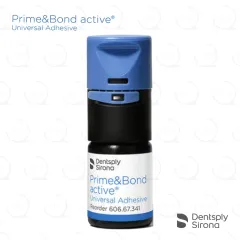
Prime&Bond active® · Universal adhesive · 4 ml bottle
Direct compositeVeneer cementationComposite and ceramic repairDentine desensitisationZirconia and metal
Over-dried the dentine while chasing a dry field? Or left it wetter than you meant to? Adhesive failure happens at the moment of application, not months later, and surface moisture is the variable hardest to control in a deep access cavity. Prime&Bond active® is a universal adhesive designed to spread and wet under both conditions, in self-etch, selective enamel-etch or full etch-and-rinse, from one bottle.
| 20 s AGITATE | 5 s AIR DRY | 10 s LIGHT CURE |
This pack: 4 ml Standard Refill bottle
Made by Dentsply Sirona · mfr code 60667341 · applicator tips and mixing wells ordered separately
| Etching modes | Self-etch, selective enamel-etch and etch-and-rinse, all from the one bottle |
| Application | Keep slightly agitated for 20 s, then air-dry at least 5 s to a glossy, uniform layer |
| Cure | 10 s at a minimum 800 mW/cm2; at least 20 s where output is 550 to 800 mW/cm2 |
| Storage | 2 to 24 °C; use at room temperature, and close the bottle tightly after use |
› Etch the enamel you have cut. The IFU is explicit that unprepared enamel must be etched first – 15 s on enamel, with incidental dentine contact held to 15 s or less.
› Do not desiccate. After rinsing, the IFU says not to dry the dentine out – and contact with saliva, blood or sulcus fluid during application may cause failure.
› Watch the eugenol. Do not use eugenol- or hydrogen-peroxide-containing materials with it – the same caution that applies to the composite going in on top.
› Not for direct pulp application, or for patients with a history of allergic reaction to (meth)acrylate resins. It is acidic and can burn.
Prime&Bond active does not seem to be sensitive to the degree of moisture, and presented well-formed hybrid layers when applied to either moist or over-dried dentin.
— Prof. André Reis, Guarulhos University, on FE-SEM and TEM imaging of the hybrid layer, reported in Dentsply Sirona's own Scientific Compendium, which does not publish the figures behind it.
Almeida and colleagues used Prime&Bond active as the reference adhesive in a double-blind randomised trial of 176 restorations in non-carious cervical lesions – the hardest test there is, since nothing holds the restoration in but the bond. At 18 months, retention was 95.5% in etch-and-rinse mode and 90.9% in self-etch, and self-etch groups showed more marginal discrepancy on FDI criteria (Clin Oral Investig 2023;27:151–63). Which is the practical argument for etching the enamel.
Which etching mode should I use?
Selective enamel-etch is the sensible default and the one Dentsply recommend for Class II. The published trial above and the university work in Dentsply's compendium point the same way: etching lifts enamel bonding, while dentine is largely unaffected by mode.
Can I bond a post or a dual-cure core with it?
Only with the Self Cure Activator. The IFU lists dual-cure and self-cure work and post cementation under that combination alone – the bottle on its own is for light-cured work.
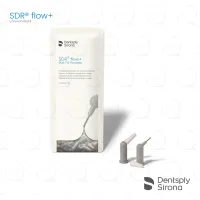
| Bond then bulk fill | SDR® flow+ Refill Universal · 15 compules – the 4 mm increment that goes on top |
| All three, one code | RECIPROC® blue, SDR flow+ and Prime&Bond – this bottle comes free with that kit while the offer runs |
| Files and compules | RECIPROC® blue and SDR flow+ Procedure Kit – the standard pairing |
| Isolate | OraSeal™ Caulking – saliva and blood at the margin are the stated failure mode |
| Between visits | J-Temp™ – radiopaque, so you can confirm the chamber is clean before bonding |
Prime&Bond active® · universal adhesive · self-etch, selective-etch and etch-and-rinse · 20 s on, 5 s dry, 10 s cure · 4 ml Standard Refill bottle · Dentsply Sirona · REF 60667341
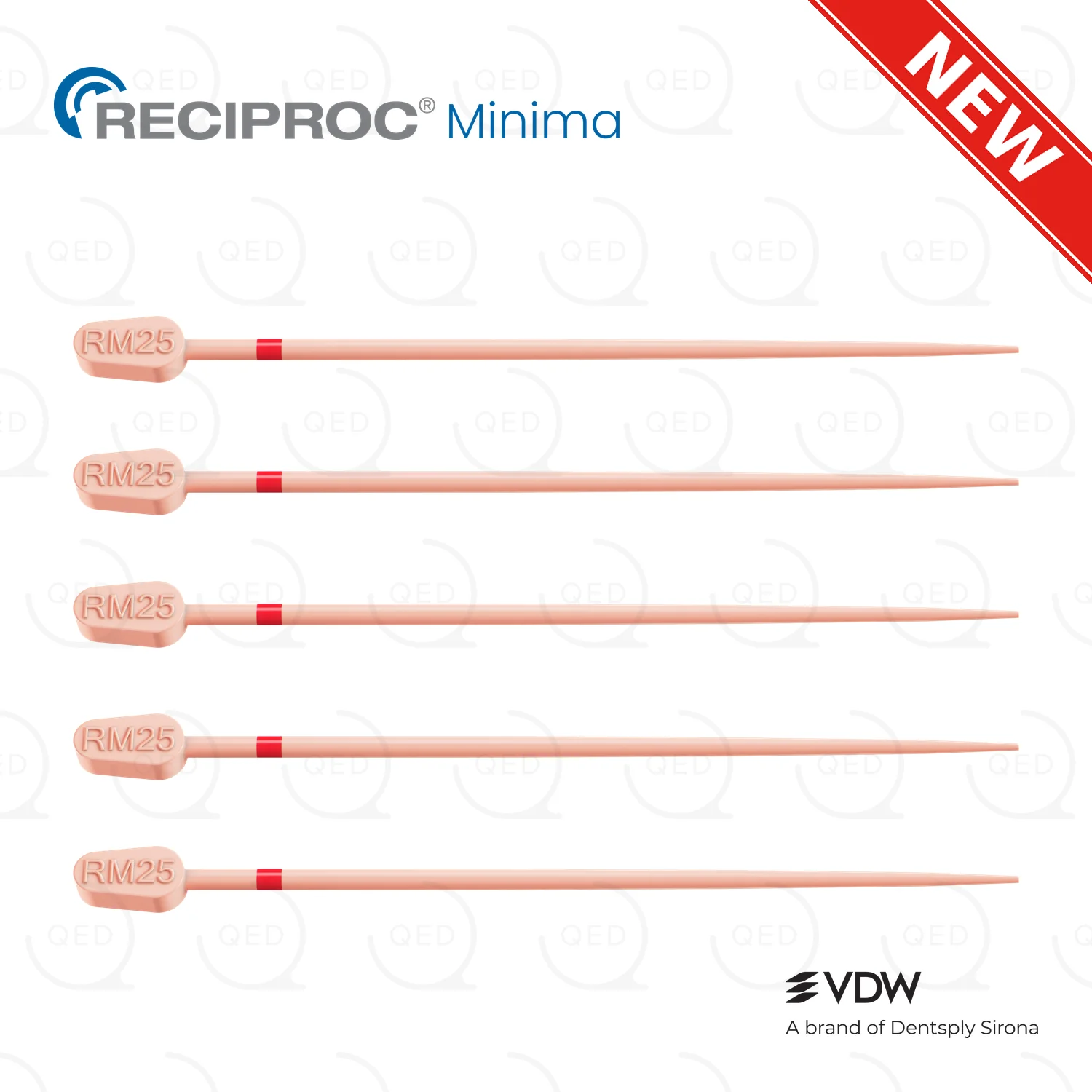
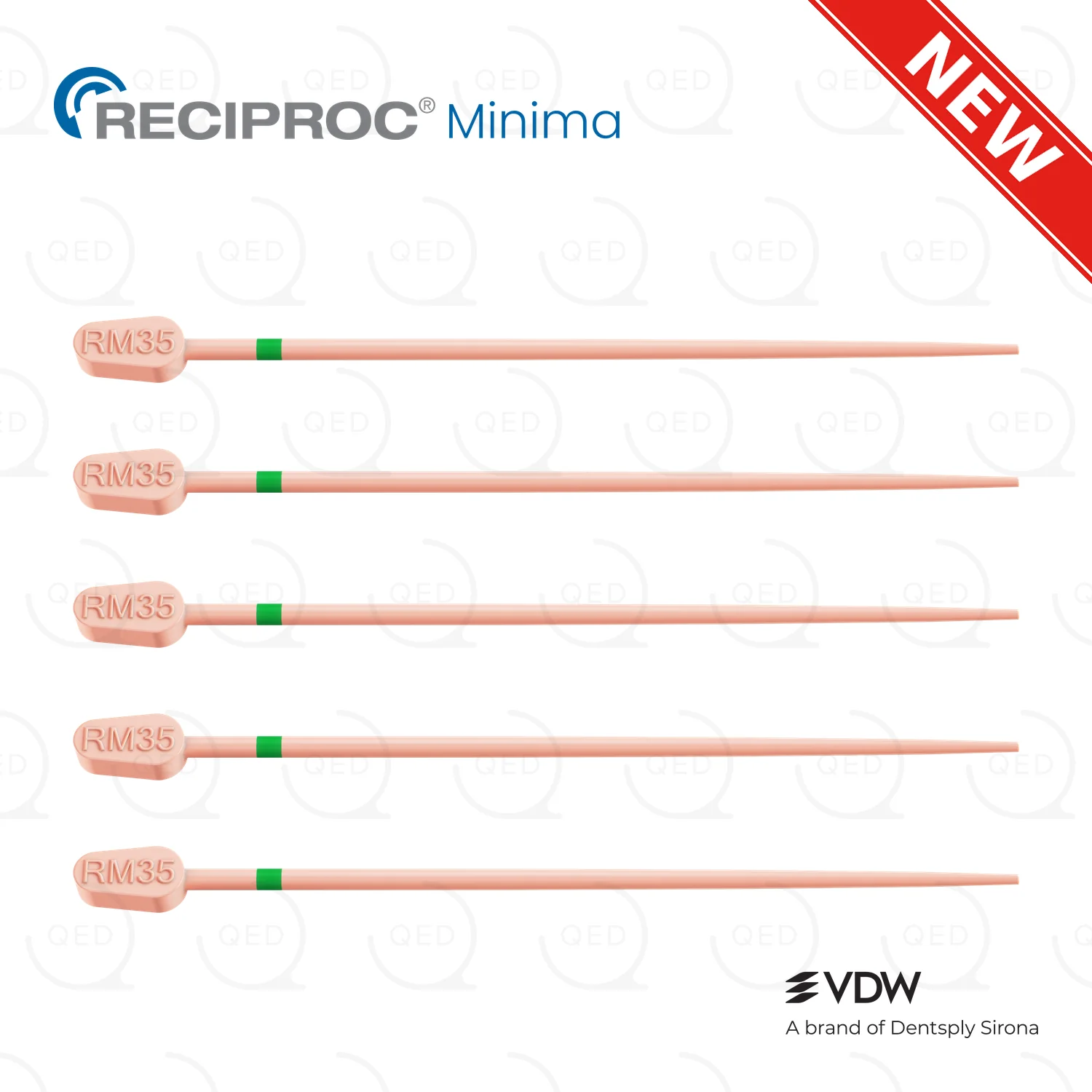
SpotlightRECIPROC® MinimaOne file · slim shaping for narrow canals
Shaping systems
Hand files & finders
Materials & more
 eMail 60667341 to a friend































 Facebook
 Twitter
 Instagram
 Pinterest
